
Excavator Troubleshooting Guide: Common Hydraulic, Engine and Electrical Problems Explained
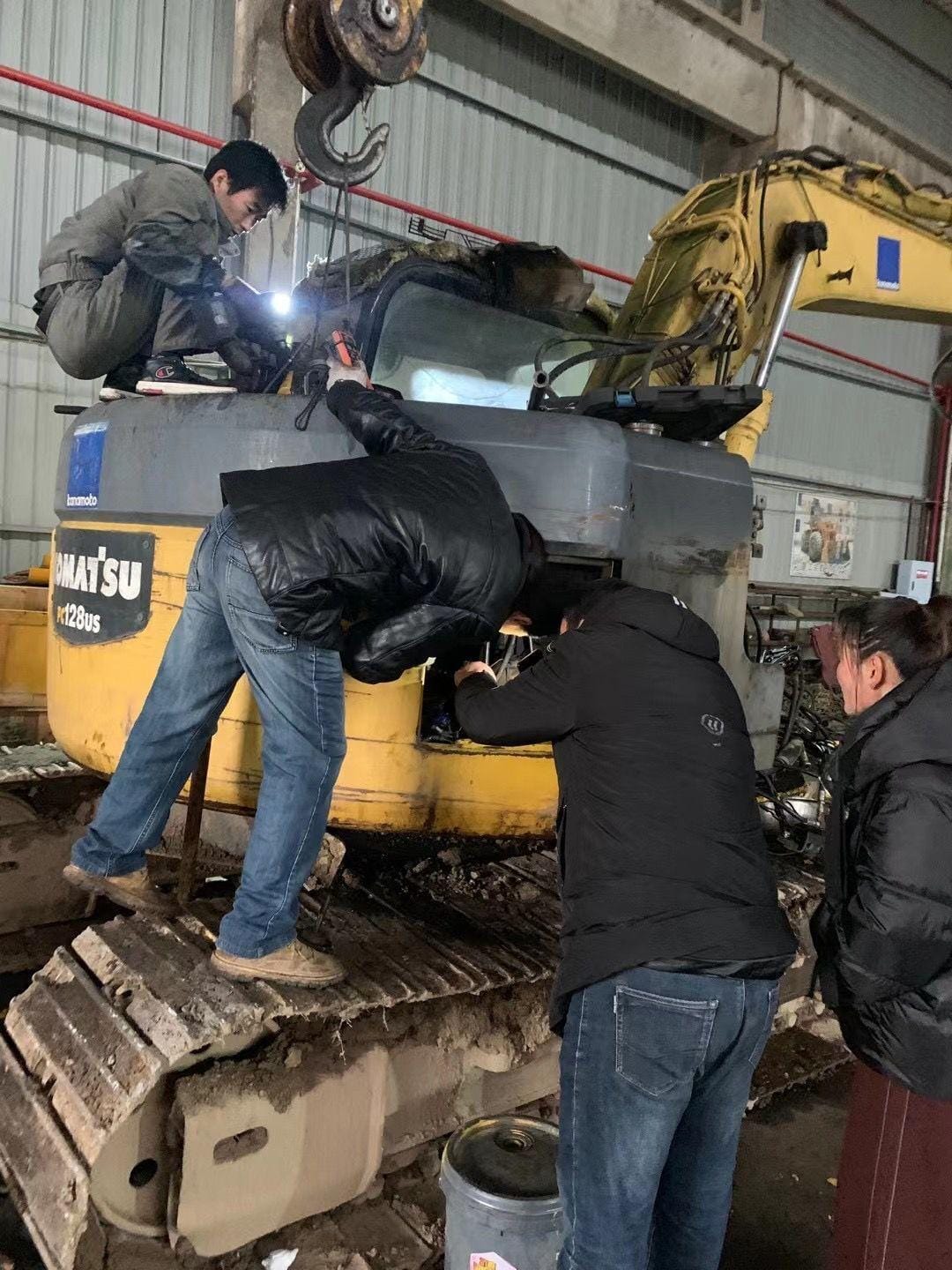
Editorial Note (EEAT Verified): This technical troubleshooting blueprint has been compiled by senior mechanical field engineers specializing in heavy plant diagnostics. All pressure thresholds, thermal ratings, and diagnostic sequences adhere to OEM operational standards for Caterpillar, Komatsu, and John Deere hydraulic systems. Last updated for the 2026 regulatory and technical guidelines.
Hydraulic excavators are complex, high-duty cycle systems where mechanical components, electro-hydraulic circuits, and closed-loop control systems constantly interface under extreme stress. Unscheduled downtime on a busy job site can cost thousands of dollars per hour. This technical manual isolates the root causes of the most prevalent hydraulic excavator failures, establishing step-by-step field verification protocols and definitive mechanical treatments.
1. Advanced Hydraulic System Diagnostics
The hydraulic system operates as the primary power distribution network of the machine. Sustained heavy loading inevitably leads to localized volumetric and mechanical efficiency losses.
1.1 System-Wide Low Power & Volumetric Slowdowns
A generalized loss of breakout force across all linkages usually indicates a system-wide pressure deficit or a critical failure at the primary generation stage.
| Probable Root Cause | Engineering Diagnostic Procedure | Definitive Field Treatment |
|---|---|---|
| Main Relief Valve (MRV) Drift | Install a calibrated 500-bar fluid pressure gauge to the primary pump delivery diagnostic port. Stall the bucket cylinder to read peak pressure. | Shim or adjust the MRV cartridge to factory OEM spec. Replace the cartridge if the pilot spring shows signs of material fatigue or snapping. |
| Primary Hydraulic Pump Internal Slippage | Execute a standard pump case-flow test under operational load. Excessive volumetric flow through the case-drain line indicates severe internal bypass. | Overhaul the axial piston group; machine or replace the valve plates, barrel, and pistons. Flush the entire hydraulic reservoir to capture micro-shavings. |
| Pilot Charging Circuit Failure | Connect a 100-bar gauge to the pilot line accumulator manifold block. Verify cross-functional pilot pressure parameters. | Re-set the pilot charge relief valve. If pressure fails to recover to a baseline 3.5–4.0 MPa, replace the pilot gear pump. |
1.2 Thermal Runaway & Hydraulic Oil Overheating
Operating temperatures consistently exceeding 85°C (185°F) degrade the fluid's shear stability, leading to oil oxidation, total seal hardening, and rapid component failure.
- Airflow Restriction in Oil Cooler: External accumulation of organic material, grease, or impacted radiator fins lowers heat-rejection capabilities. Clean the core matrix strictly from the inside out using dry compressed air or low-pressure commercial degreasing agents.
- Continuous High-Pressure Bypass Internal Leakage: A structural failure in the anti-drift valves or secondary port reliefs creates a localized pressure drop, turning mechanical energy directly into friction heat. Locate the precise malfunction zone utilizing a pinpoint infrared thermal imager.
- Incorrect Hydrodynamic Viscosity Index: Utilizing oil that is too thin for high ambient temperatures lowers the dynamic fluid film boundary, inducing high friction. Drain and replace fluid with high-viscosity index premium alternatives (e.g., ISO VG 46 or 68 depending on climatic extremes).
2. Diesel Engine Performance Failures & Power Mismatch
Modern electronic diesel engines interface directly with hydraulic controllers through proportional reducing valves. When engine output drops, the engine will instantly stall or "bog down" under hydraulic demand.
2.1 Technical Evaluation of Exhaust Smoke Profiles
Exhaust smoke profiling serves as an immediate visual diagnostic indicator for sub-surface combustion abnormalities.
| Smoke Matrix | Probable Combustion Deficit | Technical Resolution Sequence |
|---|---|---|
| Heavy Continuous Black Smoke | Air starvation or over-fueling resulting in incomplete combustion. Frequently triggered by compromised turbocharger boost, leaky intercooler piping, or faulty fuel injector tips dripping fuel into the cylinder. | Perform a smoke-machine test on the charge-air cooler system. Clean or change the primary air induction elements. Re-calibrate or replace the fuel injectors. |
| Dense White / Blue Smoke | Blue smoke implies crankcase motor oil passing through worn piston rings or valve guides. White smoke points to unburnt atomized fuel (late injection timing) or engine coolant penetrating the chamber via a blown head gasket. | Run a cooling system pressure leak-down test. Assess dynamic timing parameters with an OEM-specific electronic service tool. Re-seal cylinder head interfaces. |
3. Electro-Hydraulic & Control System Faults
3.1 Auto-Idle Malfunctions and Throttle Control Drift
The electronic throttle system leverages position sensors and pilot pressure switches to ramp down the engine speed to conserve fuel during non-operational windows.
- Mechanical Binding in Stepper Motor / Linkage: Years of thermal cycles and debris exposure corrode throttle linkages. Disconnect the actuator arm to trace internal mechanical friction; swap out the stepper motor if high electrical resistance is measured inside the motor windings.
- Pilot Command Pressure Switch Failure: Pressure switches mounted on the main control valve blocks fail to read incoming joystick inputs. Hook up a master diagnostic laptop, review the live digital I/O register, and change the non-responsive pressure transducer.
4. Undercarriage Alignment & Structural Deficiencies
4.1 Tracking Deviations (Excavator Pulling to One Side)
When tracking straight forward but the undercarriage veers spontaneously toward one side, the problem is either unequal structural drag or an asymmetric fluid supply to the final drive travel motors.
- Asymmetric Track Tensioning: One track loop is significantly slacker than the opposing side, causing high rolling resistance. Remedy: Pump specialized multi-purpose lithium grease through the yoke tension cylinder valve to calibrate track sag to standard specifications (typically 40–60mm of baseline hanging depth).
- Center Rotary Swivel Joint Internal Blow-By: The dynamic seals inside the central distribution hub harden over time. High-pressure travel fluid bleeds into the opposite low-pressure line, reducing structural supply to one motor. Rebuild the swivel joint housing utilizing high-durometer polyurethane seal kits.
💡 Excavator Troubleshooting Frequently Asked Questions (FAQ)
Q1: Why does my excavator operate perfectly when cold, but slows down drastically as it warms up?
Answer: This is a classic indicator of severe hydraulic internal component wear (bypass leakage). When the oil is cold, its viscosity remains high, masking minor mechanical clearances. As the engine reaches operational temperature, the fluid drops in viscosity. It easily slips past worn piston clearances and scarred valve plates inside the pump or control valves, precipitating a steep drop in system operating pressure and speed.
Q2: What is the very first step I should take when an excavator starts to engine-bog or stall?
Answer: Always apply the fundamental engineering rule: "Check the low-cost fuel path before chasing complex hydraulics." Isolate the primary and secondary fuel filters along with the water separator assembly. A restricted fuel flow starved for volume triggers immediate engine bogging under any load. If the fuel delivery grid is confirmed pristine, transition to checking the pump's electronic torque regulation solenoid (PC Valve).
Q3: How do I definitively differentiate between a failing travel motor and a leaky center swivel joint at the job site?
Answer: Execute a Cross-Over Hose Swapping Test. Locate the final drive high-pressure lines on the undercarriage frame and switch the left-hand feeds with the right-hand feeds. If the tracking deviation switches direction after the swap, the tracking deficiency lies upstream inside the center swivel joint or main control valve. If the excavator continues to pull to the exact same side as before, the internal seal or planetary pack of that specific travel motor is damaged.
Q4: What symptoms manifest when pilot control pressure drops below factory threshold?
Answer: Low pilot pressure (typically failing below 3.0 MPa / 435 PSI) manifests as exceptionally stiff or heavy control joysticks, erratic multi-functioning behavior, and delayed linkage actuation. Because the pilot fluid lacks the force necessary to fully shift the main control spool inside the block, the main oil flow remains throttled, causing sluggish, non-responsive operations.
Request Technical Blueprints & Factory Quotes
Submit your machinery parameters below. Connect directly with verified, certified heavy industrial manufacturers to receive custom foundation drawings, layout schematics, and direct-from-factory pricing.