
How to Fix a Mini Excavator Boom Cylinder Squeaking When Lifting
Is your mini excavator boom cylinder squeaking when lifting? Master technician breakdown of dry bushings, rod scoring, and hydraulic aeration fixes.
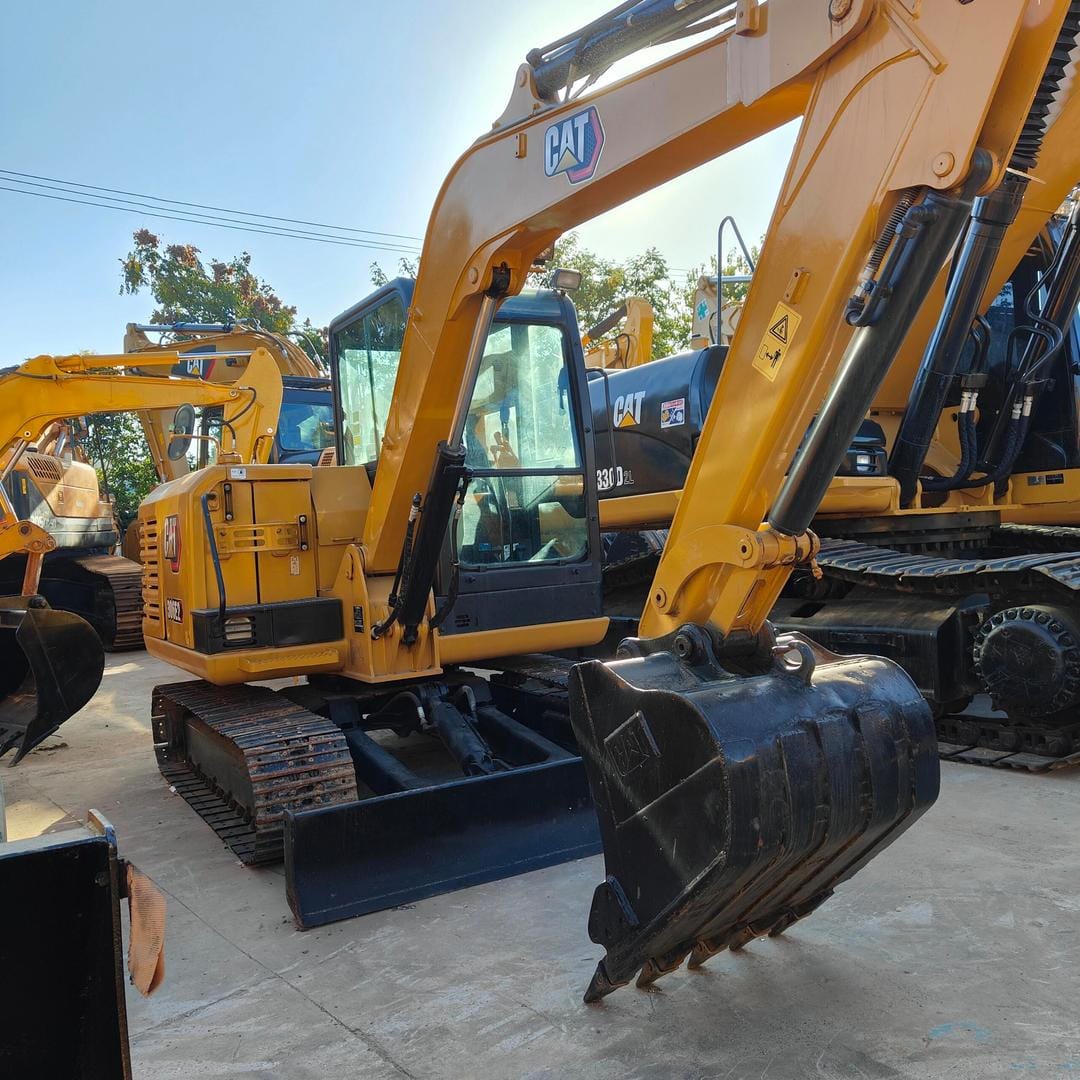
🛠️ Instant Diagnostic Snapshot
- Primary Root Cause: Pin-to-bushing friction due to grease starvation or a dry wiper seal rubbing against a dry cylinder rod. Secondary cause is hydraulic oil cavitation or aeration under heavy load.
- Risk Level: 🟡 Medium - Schedule Inspection (Ignoring this will lead to pin seizure, ovaled boss holes, or damaged rod seals).
| Suspected Component | Failure Probability | Diagnostic Tool Required | Repair Complexity |
|---|---|---|---|
| Boom Pin & Bushings | 65% | Grease Gun / Infrared Thermometer | Low |
| Cylinder Rod Wiper Seal | 20% | Visual / Silicone Lubricant | Low |
| Hydraulic Fluid (Aeration/Contamination) | 15% | Oil Sample Bottle / Pressure Gauge | Medium |
⚠️ Critical Safety & Preparation
- Zero-Pressure State: Always lower the boom completely to the ground, rest the bucket flat, shut off the engine, and cycle the joysticks 5–10 times to relieve residual pilot and main hydraulic circuit pressure before inspecting pins or lines.
- Crush Hazard: Never place hands near boom joints or the cylinder rod while the engine is running or while the boom is suspended without mechanical safety locks.
🔍 Step-by-Step Master Technician Inspection BlueprintPhase 1: Static Friction & Thermal Diagnostics
- Check for Grease Starvation: Walk up to the main boom-to-frame pin and the lower cylinder eye pin. Look for dry, shiny metal flakes or rust bleeding out around the seals.
- Take Thermal Readings: Run the excavator for 5 minutes until the squeaking begins. Use an infrared thermometer to shoot the temperature of the upper and lower cylinder pins. If a pin measures over 65°C (150°F) while the surrounding steel is 30°C, that specific bushing has run completely dry or has collapsed.
- Inspect the Cylinder Rod: Check the chrome surface for linear scoring marks or a "rainbow" discoloration, which points to excessive lateral load pushing the rod against the internal gland gland bushing.
Phase 2: Dynamic Live Auditing
- Acoustic Isolation: Have an operator lift the boom slowly while you stand at a safe distance. Is the sound a sharp, metallic screeching, or a dull, rhythmic groan?
- High-pitched screech: Dry wiper seal or dry pin bushing.
- Deep groaning/whining: Hydraulic cavitation. Look at the hydraulic tank sight glass immediately after a cycle. If the fluid looks milky or frothy with tiny air bubbles, the system is drawing air from a loose suction line hose clamp.
Phase 3: The Teardown & Fix
- Clear the Grease Passages: If a pin won't take grease, do not just leave it. Unscrew the Zerk fitting. Use a pick tool to clear hardened, calcified grease from the internal port. Screw in a new 1/8" NPT Zerk and pump high-moly lithium grease until fresh grease purges from both sides of the joint.
- Relieve Wiper Seal Friction: If the noise comes directly from the cylinder head gland, the wiper seal is dry. Clean the chrome rod with a lint-free rag. Apply a light coat of clean hydraulic oil or a dedicated silicone strut spray directly to the rod. Cycle the cylinder five times.
- Correct Pin Alignment: If the squeak persists and the pin is hot, the bushing may have spun or ovaled. You must support the boom, drive the pin out using a brass drift, and inspect the inner bore for deep galling. Replace bushings if wall thickness is worn unevenly beyond 0.5 mm of OEM spec.
💡 Pro-Tip: The "Old School" Field Trick
- When a mini excavator pin gets blocked and refuses to accept grease from your gun, rookie mechanics just give up and let it squeak. Instead, take a propane torch and gently heat the outer casting housing the pin for 1–2 minutes. This liquefies the baked-on, crusty clay-and-grease mixture blocking the internal oil grooves, allowing your grease gun to break through the blockage instantly.
❓ Frequently Asked Questions (FAQ)
- Q1: Can I keep operating my mini excavator if the boom cylinder is squeaking?
- A1: No. A squeak means metal-on-metal friction. Operating it dry for even a few days will score the pin, wear out the hardened bushing, and eventually distort the welded arm bosses. Fixing a ruined boss requires line-boring and welding, which costs thousands more than a tube of grease.
- Q2: Why does the squeaking only start after the machine warms up?
- A2: As the hydraulic fluid warms up to its operating temperature (typically 50°C–80°C), its viscosity thins down. If your hydraulic oil is degraded or if air is entering the system, the thinner oil fails to provide an adequate boundary lubrication film inside the cylinder rod gland, triggering friction noises under high load.
⚖️ Legal Disclaimer
- Disclaimer: Mechanical repairs on hydraulic excavation equipment involve inherent risks to personal safety and machinery integrity under high pressure. This guide is for educational purposes only. Always consult your specific equipment's OEM service manual. The author and publisher assume no liability for property damage, financial loss, or personal injuries incurred during diagnostic or repair procedures.
About Jayee Lee
Senior Heavy Machinery Service Specialist / Chief Hydraulic & Structural Engineer
Very professional in construction machinery field. Over 15 years working experience
linkedin facebook
Request Technical Blueprints & Factory Quotes
Submit your machinery parameters below. Connect directly with verified, certified heavy industrial manufacturers to receive custom foundation drawings, layout schematics, and direct-from-factory pricing.